

Key points
Bulging fat and loose skin are different concerns. Assess fat distribution, skin elasticity and wrinkles before choosing a procedure.
What does fat repositioning address?
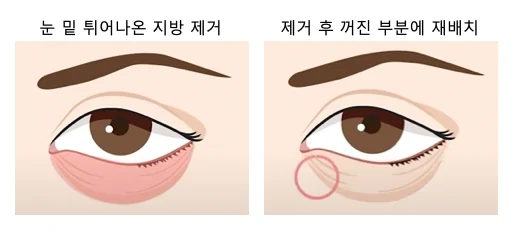
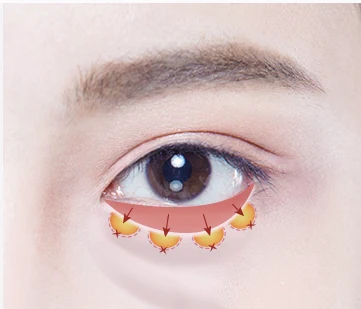
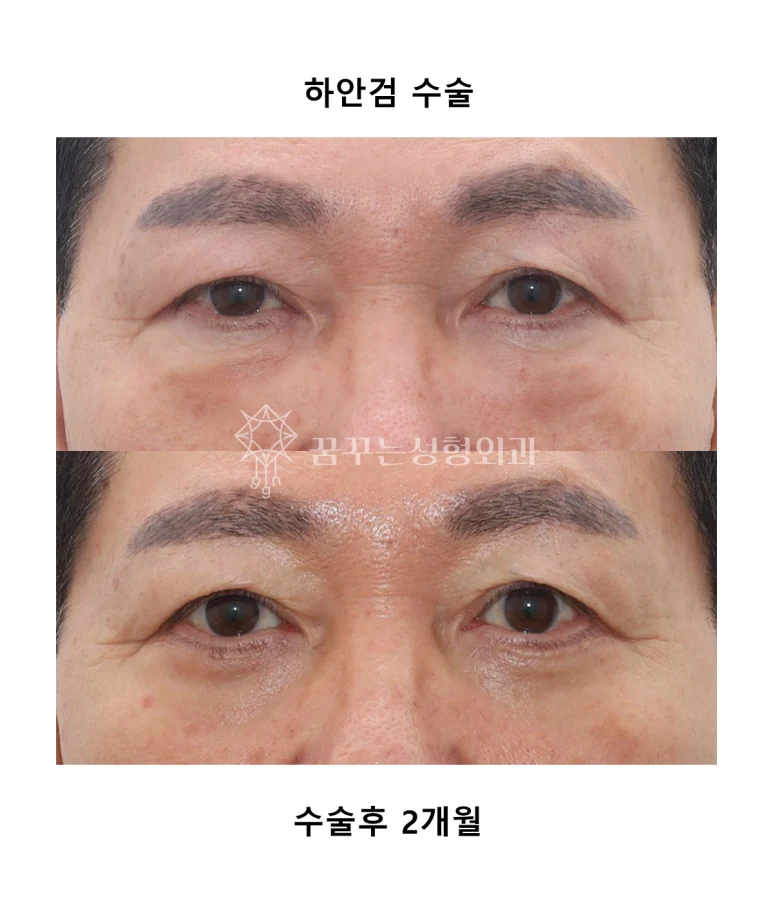
The procedure redistributes protruding under-eye fat to soften the transition into a hollow tear trough. It may suit people whose main concern is bulging and hollowing with limited skin laxity. A transconjunctival approach avoids an external skin incision, but surgery does not address every cause of dark circles.
How is lower blepharoplasty different?
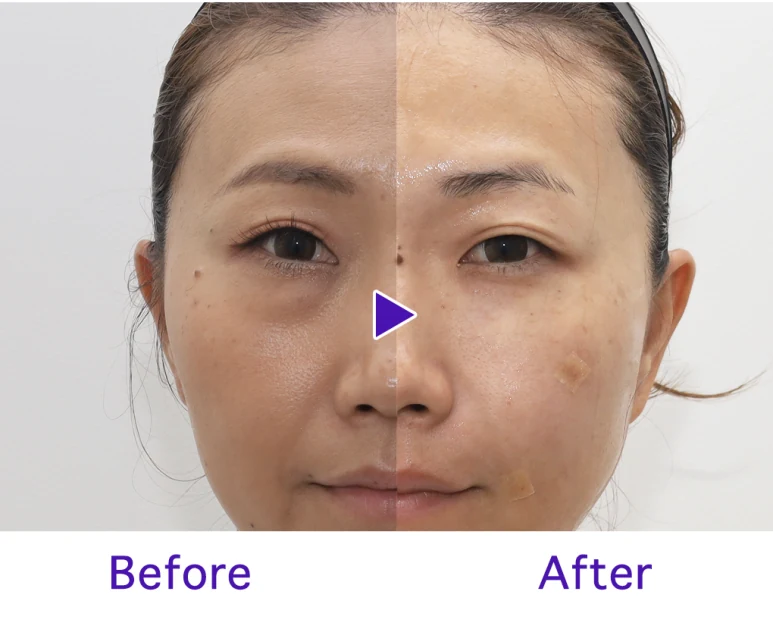
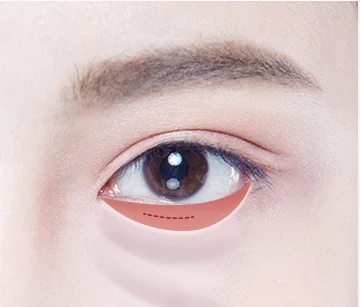
Noticeable loose skin and wrinkles may require more than fat redistribution. Lower blepharoplasty can also address excess skin and supporting tissues when indicated. A more extensive operation is not automatically better when skin laxity is minimal; incision extent and recovery should be compared.
Choosing an approach
Age alone does not determine the operation. Examination should consider bulging, hollowing, elasticity, wrinkles and eyelid anatomy. Overlooking loose skin can leave sagging after fat repositioning, while minimal laxity may allow unnecessary skin removal to be avoided.
Three things to discuss
Ask about the surgeon’s relevant experience, a clear explanation of your options, and the follow-up plan. Discuss why a procedure is recommended, its alternatives and limitations, recovery and complication management. Consultation length alone does not establish surgical quality.
Consultation at GGN
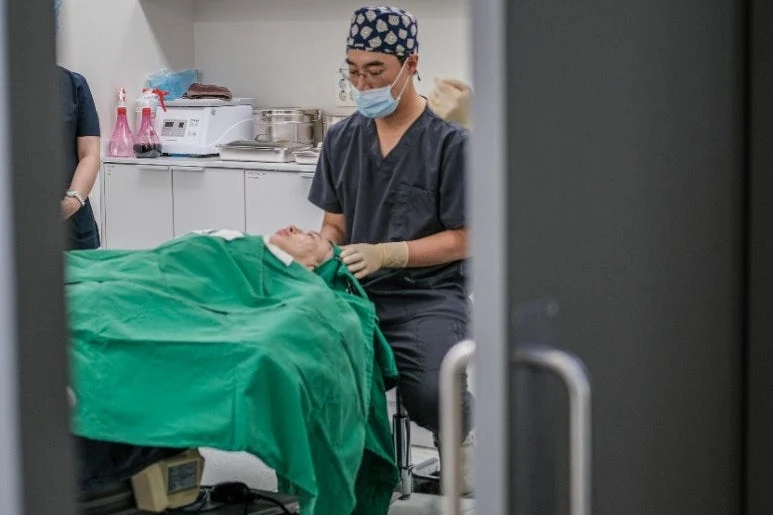
Director Dr. Joon Chul Jang examines the under-eye area and explains the advantages, limitations and expected changes of appropriate options. The original article emphasizes treatment relevant to the patient’s concerns rather than adding unrelated procedures. Please arrange your consultation in advance.
Original images · Korean text within images is retained.




Read alongside the images
The procedure redistributes protruding under-eye fat to soften the transition into a hollow tear trough. It may suit people whose main concern is bulging and hollowing with limited skin laxity. A transconjunctival approach avoids an external skin incision, but surgery does not address every cause of dark circles.
Noticeable loose skin and wrinkles may require more than fat redistribution. Lower blepharoplasty can also address excess skin and supporting tissues when indicated. A more extensive operation is not automatically better when skin laxity is minimal; incision extent and recovery should be compared.
Adapted from the original for general information. Suitability, risks and recovery plans require an individual consultation.