
If I have surgery on Friday, can I go back to work on Monday?
How long will the swelling last?
When can I wear makeup or contact lenses again?
When considering under-eye fat repositioning, recovery matters just as much as the procedure. Surgery needs to fit around work and everyday life.
It helps to distinguish being able to work, looking less swollen or bruised, and allowing the tissues to heal fully. General eyelid-surgery guidance sometimes suggests around 1–2 weeks before returning to everyday routines, but complete healing may take longer. Recovery after under-eye fat repositioning also depends on the extent of surgery and your individual condition.[3]
Plan your return around the work you do
Two people having surgery on the same day may need different amounts of rest. Working from home, meeting customers and lifting heavy objects each involve different considerations.
| Work or commitment | What to discuss at consultation |
|---|---|
| Office work or working from home | Eye discomfort during screen use and opportunities to take breaks |
| Customer-facing work or in-person meetings | Remaining swelling and bruising, and how comfortable you feel about your appearance |
| Physical or highly active work | When you can safely resume straining or lifting heavy objects |
| Photography, interviews, weddings or other important events | Enough recovery time to allow for residual swelling |
Rather than assuming a weekend will be enough, tell your surgeon your planned return date and what your work involves. When to resume everyday activities and exercise should be checked against your postoperative condition.[1]
How long can swelling and bruising last?
Early recovery may involve under-eye swelling and bruising, dry eyes or a gritty sensation. Follow the instructions for prescribed medicines, eye drops and aftercare.[1]
Bruising after eyelid surgery may gradually fade over roughly two weeks, while swelling or swelling on the surface of the eye can last longer. Two weeks does not mean that every trace of swelling will have disappeared.[4]
If you have an important event or photo session, plan follow-up visits alongside it rather than judging your schedule by how you look immediately after surgery.
When can I wash my face and wear makeup?
When and how to wash depends on the surgical method and any tape or dressings. Protect the treated area until the clinic says you can wash it, then be gentle around your eyes.
Treat the eye area separately from the rest of the face when considering makeup. Check specifically about eyeliner, mascara and eyeshadow used close to the eyes.
Some general eyelid-surgery instructions advise avoiding makeup on the surgical area for about two weeks. This is not a universal timetable for every fat-repositioning procedure: follow advice tailored to your operation and healing.[2]
Take a break from contact lenses
If you normally wear contact lenses, have glasses ready before surgery. General eyelid-surgery aftercare may recommend avoiding contact lenses for at least about two weeks.
Before restarting, consider dryness, discomfort and healing as well as the calendar. Resume wearing lenses only after the clinic confirms that you can.[2]
What about exercise and daily care?
Light everyday activities differ from heavy lifting or strenuous exercise. Rest during the early recovery period and discuss increasing exercise intensity at follow-up.
- Use prescribed medicines and eye drops as directed
- Use cold compresses in the way and for the duration advised by the clinic
- Avoid pressing or rubbing the operated area
- Attend your scheduled follow-up appointments
Aftercare and activity restrictions vary between individuals. Use your own postoperative instructions as your guide rather than someone else's online recovery story.[1][2]
Do not wait for your next appointment with these symptoms
Not every symptom during recovery should be dismissed as ordinary swelling.
If your vision suddenly worsens, you develop severe pain or swelling increases rapidly, contact your operating clinic immediately and seek medical assessment. If you cannot reach the clinic promptly and have vision changes or severe pain, go to an emergency department. Bleeding around the eye is uncommon but may need urgent assessment and treatment.[3][4]
Report fever, pus-like discharge, or increasing redness or pain to your clinic as well.[2][3]
Share work dates and important plans at consultation
Before your consultation, make a note of:
- How much time you can take off after surgery
- Your planned return date and usual work duties
- Contact lens use and any usual eye dryness
- Important photography, social or travel plans
- Other operations or treatments you are considering at the same time
As well as asking how many days recovery takes, ask which activities you can resume, and when, in your own daily life. This helps make planning more specific.
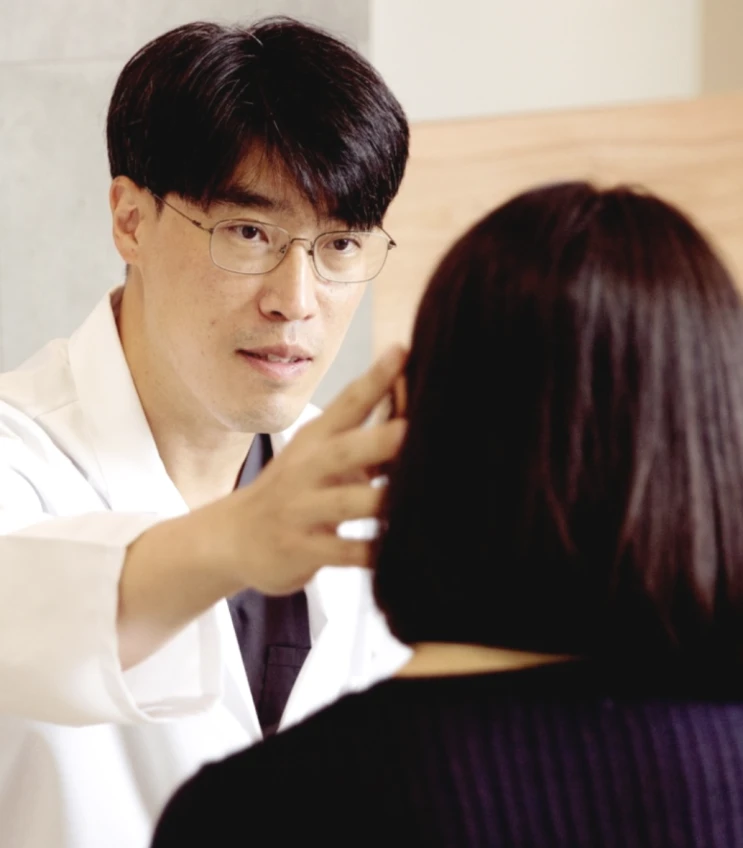
At GGN Plastic Surgery, Dr. Joonchul Jang discusses suitable options for your under-eye condition and points to check during recovery. Sharing your work dates and important commitments helps us plan surgery and follow-up appointments.
To understand the differences between procedures, read the comparison article below. Lower blepharoplasty or under-eye fat repositioning?
Beautiful now, and in the years to come.
GGN Plastic Surgery
This article provides general recovery information. Individual aftercare and the timing of returning to activities depend on the procedure and clinical assessment.